Women in Data Science Africa 2026: Breaking Barriers in Data Science
250 participants from 33 countries attended the Women in Data Science Africa (WIDS) 2026 conference during Data Tamasha Africa, with the theme “Breaking Barriers in Data Science.” Featuring a stellar lineup of female leaders from across the technology industry, the session organized by Dr. Mahadia Tunga (WIDS Africa Ambassador), sparked an urgent conversation, moderated by Khalila Mbowe (Founder and CEO, Unleash Africa). The conference brought together diverse voices from academia, governance, and research.
- Dr. Mahadia Tunga – Co-Founder & Executive Director, Tanzania Data Lab (dLab)
- Dr. Zeyana Hamid – Member of Parliament (Zanzibar), IPU Delegate, and CEO of Hodari
- Dr. MariaLauda Goyayi – Lecturer at Mzumbe University and dLab Consultant
- Julia Seifert – Research, Results, and Insights Consultant for FSDT
- Fatma Mkwepu – WiDS Scholar and Data Science Graduate
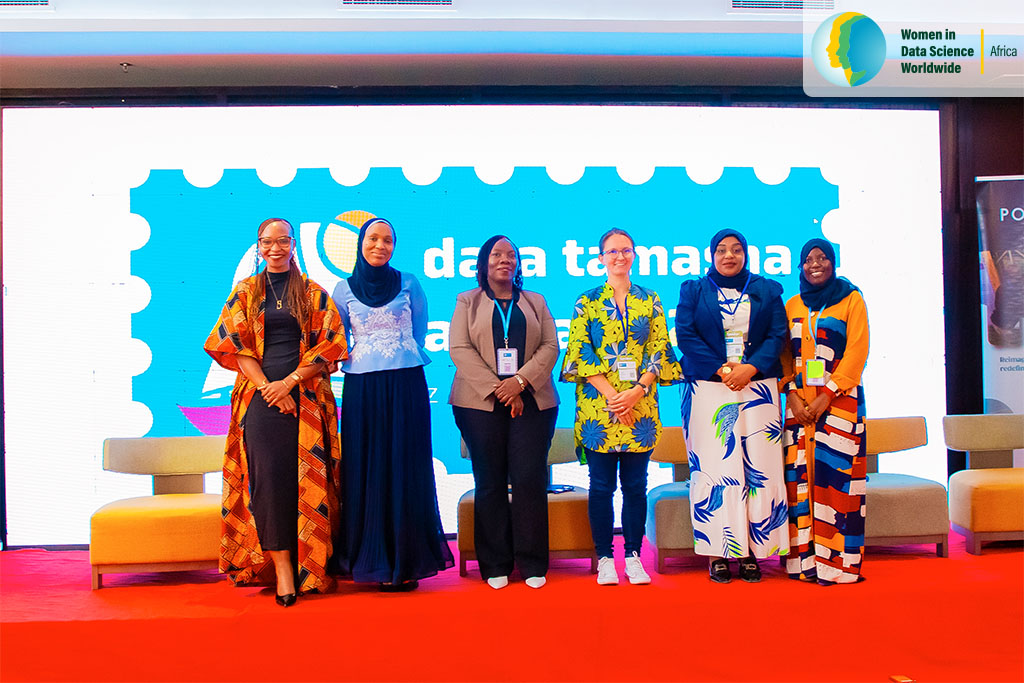
Women in Data Science Africa (WIDS) 2026-Breaking Barriers in Data Science speakers, Khalila Mbowe (first from the left), Dr. Mahadia Tunga (second from the left), Dr. MariaLauda Goyayi (third from the left), Julia Siefert (in the middle), Dr. Zeyana Hamid (second from the right) & Fatma Mkwepu (first from the right) all standing after a successful dialogue during Data Tamasha Africa 2026.
The Mindset Gap and Early Academic Barriers
The conversation opened by tackling the structural and psychological barriers women face early in their academic journeys. Dr. Mahadia Tunga highlighted a stark disparity in technical readiness and confidence between male and female students on campus.
“Male students tend to be ready, they’ll carry PCs with them, prepared for whatever happens at any time. Female students often find themselves depending on the male ones, and that is where the gap begins,” Dr. Mahadia noted.
This confidence gap is further compounded by low enrollment and persistent stereotypes that advanced technical fields are exclusively for men. “We have one-third of the female students at our college,” Dr. Mahadia revealed. “Out of that, only one-third go on to become data or computer scientists because of the mindset that certain courses are male-dominated.”
Bridging the Divide Between Theory and Practice
Beyond mindset, the panellists identified a severe disconnect between classroom education and the practical competencies required in the global market.
Dr. MariaLauda Goyayi emphasized that abstract teaching models fail to prepare women for professional success.” There is no link between theory and practice, and no localized context for them to have practical experience,” Dr. MariaLauda stated, calling for a radical overhaul in how data science is taught.
Sharing her journey as a recent graduate under the WiDS initiative, Fatma Mkwepu agreed that early career exposure is the missing link for aspiring female data scientists. “Exposure is among the greatest challenges that young women face. They lack the opportunity to work on real-world problems,” she explained.
Policy, Partnerships, and Going Beyond the Numbers
To drive systemic change, the panel urged a unified approach that combines national policy frameworks with grassroots collaboration. Dr. Zeyana Hamid acknowledged that while government-led inclusion efforts are underway, tech policies must be grounded in a deep comprehension of data. “Policy-wise, government inclusion is happening. This work must join hands between civil society, government, and our upcoming young generation,” Dr. Zeyana said.
“We can set technology policies, but if we don’t understand the data that we want to use in making decisions, it will be difficult.”
The session concluded with a powerful reminder that true gender equity extends far beyond superficial metrics or simply counting how many women are in a room.
Julia Seifert challenged organizations to dig deeper than standard data points to achieve genuine inclusivity. “It is not enough to dis-aggregate data and say that is gender inclusiveness,” Julia argued.
“We have to go deeper in terms of understanding the realities, and how those numbers connect with the realities on the ground.”
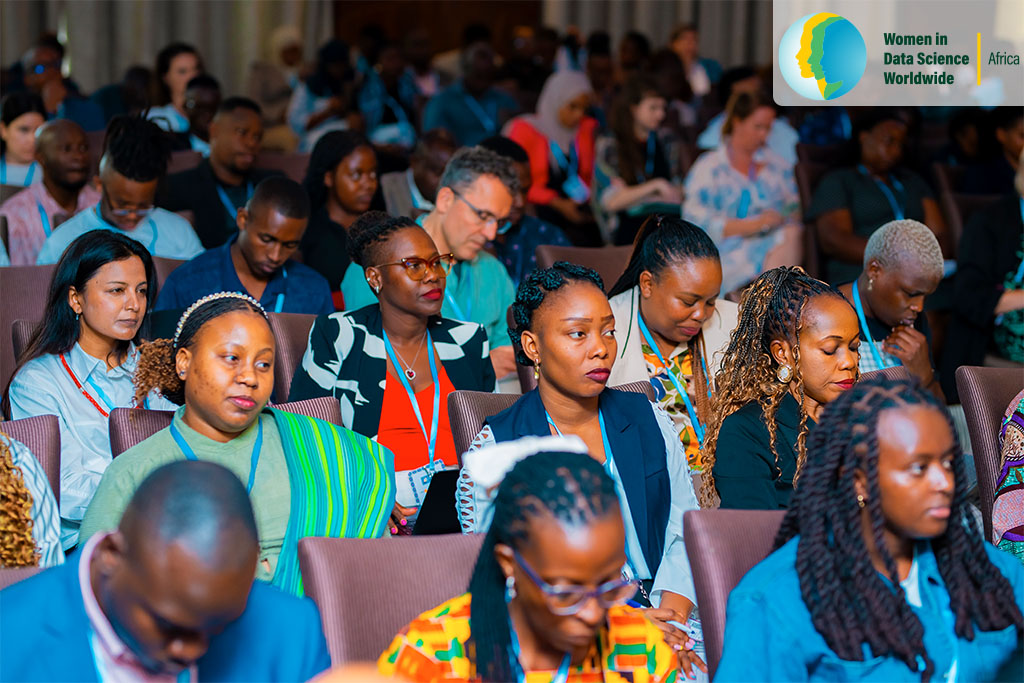
Women in Data Science Africa (WIDS) 2026-Breaking Barriers in Data Science audience following through the dialogue during Data Tamasha Africa 2026.
The Breaking Barriers session at Data Tamasha Africa 2026 delivered a clear roadmap for the future. Let us empower female students with a “ready-now” tech mindset, provide localized, practical exposure to real-world datasets and implement data-driven policies that accurately reflect human realities, our realities.